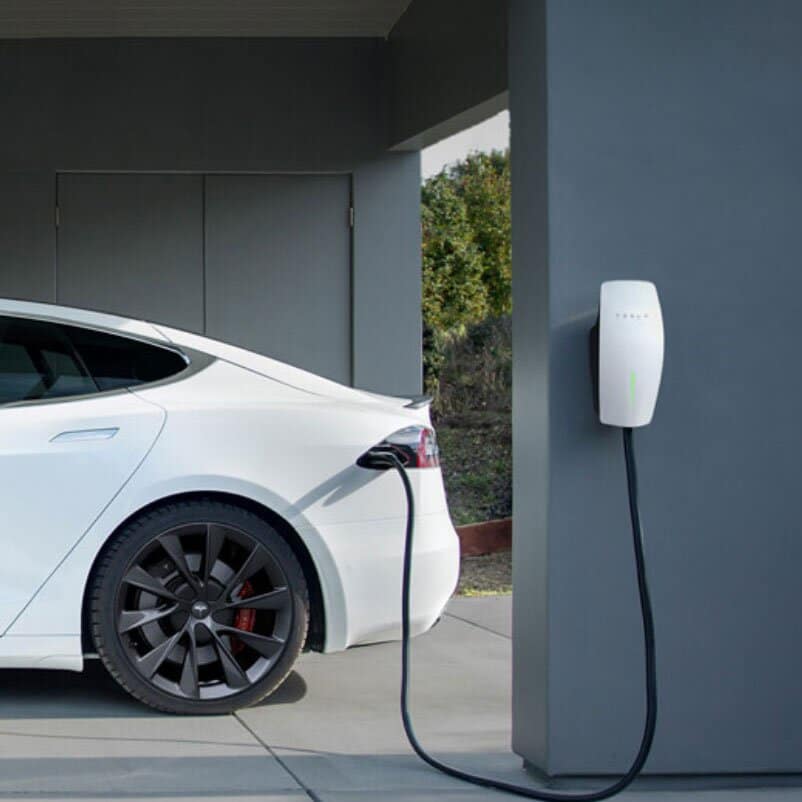
By PrimeTime Electrical & Communications - your trusted local electrician for home EV charger installation
With electric vehicles (EVs) rapidly becoming part of Australian life, many homeowners ask: “What’s the best EV charger for home use in Australia?” Installing a dedicated home charger isn’t just about convenience—it’s about safety, cost‑effectiveness, future‑proofing and integrating with your home’s electrical (and maybe solar) system.
This guide walks you through what to look for when choosing a home charger, comparison factors, costs, installation considerations and FAQs. By the end you’ll be ready to choose or contact us to professionally install your charger with peace of mind.
Why a Home EV Charger Is Worth It
Australia’s EV market is accelerating. Home charging delivers convenience and potential cost savings versus public charging and lets you wake up daily with a full battery. If you have solar, surplus PV can directly power your EV.
- Full “tank” each morning means no public charger hunt.
- Charge during off‑peak tariffs to lower costs.
- Integrate with solar to use surplus generation.
- Enhances ownership experience and EV resale appeal.
Your home’s wiring, switchboard and phase supply vary—professional assessment ensures correct, safe selection and installation.
What Types of EV Chargers Suit Australian Homes?
Level 1 vs Level 2 vs DC Fast
- Level 1: Standard outlet; very slow - OK for emergencies, not ideal for daily use.
- Level 2 (AC wall‑box): Hardwired, dedicated circuit, typical for Australian homes - fast overnight charging.
- DC Fast (Level 3): High cost and grid impact - rare for residential installs.
Single‑Phase vs Three‑Phase
Most suburban homes are single‑phase (supporting ~7 kW chargers). Three‑phase supply can allow 11–22 kW charging if the EV’s onboard charger supports it; upgrades may be required.
Smart, Solar & Safety Features
- App connectivity (monitoring, scheduling).
- Load management (prevent switchboard overload).
- Solar/energy modes (charge with surplus PV).
- IP‑rated enclosures & integrated fault protection.
Australian Homeowner Essentials
- Connector standard: Type 2 for most new EVs.
- Tethered vs untethered: fixed cable convenience vs flexibility.
- Dedicated circuit + possible switchboard upgrade for compliance.
- Solar integration for higher self‑consumption.
- Plan ahead (second EV, battery, phase upgrade) when choosing model.
Comparison Factors When Choosing a Home EV Charger
| Factor | Why it Matters | Questions to Ask |
|---|---|---|
| Charging power (kW) | Determines overnight speed; 7 kW suits most single‑phase homes. | Single or three‑phase? Km of range per hour? |
| Smart features / scheduling | Optimises off‑peak & solar use. | App control? Load management? Solar‑smart mode? |
| Solar / battery integration | Maximises renewables, reduces grid draw. | Solar boost mode? Works with inverter/battery? |
| Installation compatibility | Supply, switchboard space, cable run, connector type. | Switchboard upgrade needed? Type 2 supported? |
| Weather / safety / warranty | Outdoor durability and protection. | IP rating? Warranty length? Local support? |
| Cost (unit + install) | Total ownership cost & ROI. | Full installed price? Hidden upgrade costs? |
PrimeTime Electrical can assess supply, recommend the best charger, provide a fixed quote and complete compliant installation.
Installation Considerations & Typical Costs
- Dedicated circuit from switchboard; upgrades if capacity is limited.
- Three‑phase enables faster charging—only if supply & EV support it.
- Underground conduit/trenching increases complexity if distance is long.
- Licensed electrician must test and issue compliance documentation.
- Typical installed cost: roughly AUD $1,500–$3,000 depending on unit and complexity.
- Solar‑aware chargers can optimise surplus PV use—higher unit cost, potential lower running cost.
We offer free site visits and quotes—covering placement, supply, cable runs, and any required upgrades.
Government Rebates & Incentives
Direct home-charger subsidies are limited, but evolving. Some states explore tariff incentives or load management programs. Solar households can leverage existing PV benefits by pairing with smart chargers.
Check local network, council, and tariff options—off‑peak & EV charging tariffs can reduce costs further. We stay current with NSW metro rules and guide you through any rebate or permit steps.
FAQ — Common Australian Homeowner Questions
How many kilowatts do I need?
7 kW is a common single‑phase choice; 11–22 kW needs three‑phase and EV support.
Can I just use the portable charger?
Yes for occasional use, but Level 2 wall‑boxes deliver faster, consistent overnight charging.
Do smart chargers save money?
Scheduling + solar surplus usage reduce grid energy and optimise tariffs.
Outdoor weather concerns?
Choose robust IP rating and correct mounting; Australian climate demands durability.
Will I need a switchboard upgrade?
Possibly—older or fully occupied boards often need expansion for a dedicated circuit.
Can I integrate with solar & battery?
Yes—many chargers support solar/battery energy management modes.
Is three‑phase worth it?
Only if available and you need higher power or multi‑EV support; single‑phase meets most needs.
Conclusion & Next Steps
Choosing the best EV charger for home use in Australia means balancing charging speed, smart features, solar potential, costs and future plans. Whether you’re in Sydney or nearby, PrimeTime Electrical & Communications can help you select, supply and install a safe, efficient charger tailored to your home.
Information is general; always consult a licensed electrician for site‑specific requirements and current regulations.